
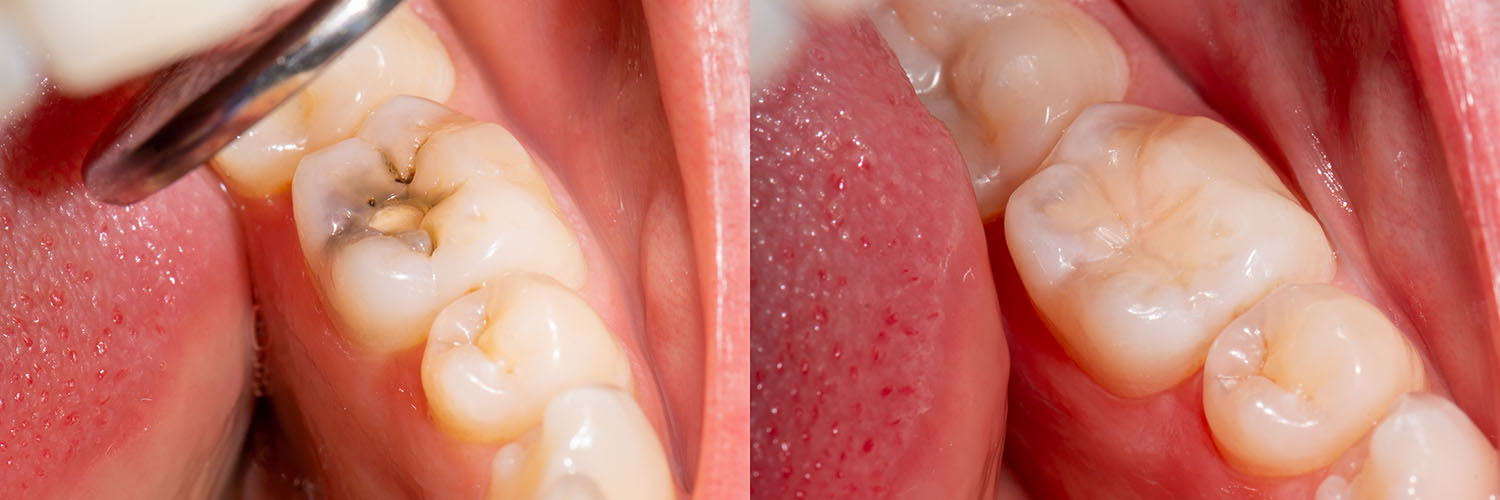
Decay weakens a tooth and changes its shape. A composite filling repairs the damaged area and gives the tooth back its natural form, so you can bite, chew, and smile with confidence again.
Composite is an advanced resin that comes in tooth-colored shades. It is strong enough to handle everyday chewing, and it blends in with the rest of your smile, which makes it an attractive way to treat a cavity.
At Park View Smiles, our Chicago office on North Michigan Avenue uses modern composite materials that bond directly to your natural tooth. That bond does more than fill the space. It also helps reinforce the tooth, giving you durable, lasting protection that looks and feels natural.
You may hear composites called "white" or "tooth-colored" fillings. That is because we match the shade carefully to the teeth around them. Composites contain no mercury and no metal, so many patients prefer them to traditional metal fillings when they want a restoration that looks like their own tooth.
Since composite bonds to both enamel and dentin, we can usually remove less healthy tooth structure while preparing the tooth. This conservative approach keeps more of your natural tooth in place and creates a tight seal that helps keep bacteria and new decay out.

When an exam shows a cavity, we carefully clear away the decayed part of the tooth. Most fillings are finished in one visit, and we use local anesthesia so you stay comfortable throughout.
Next, we place the composite resin one layer at a time. We shape each layer and then harden it with a special curing light. Building the filling in stages lets us sculpt it to follow the natural contours of your tooth and fit your bite. To finish, we adjust and polish the filling so it feels smooth and comfortable.
Your comfort matters to us at Park View Smiles. We walk you through every step before we begin, and we numb the area thoroughly with local anesthesia so you stay comfortable throughout your visit.
Your mouth may stay numb for a while after your visit because of the local anesthesia. Until the feeling comes back, take care not to bite your tongue, lips, or cheeks.
For a few days, the tooth may feel a little sensitive to hot or cold foods while it settles. This usually fades on its own. If the sensitivity lingers, or if biting down feels uncomfortable, please contact our office so we can check the filling and adjust it if needed.
A well-cared-for composite filling can serve you reliably for many years. Brush and floss every day, and keep up with regular checkups and dental cleanings at Park View Smiles to protect both your filling and your overall oral health.
We aim to restore every tooth so it looks natural, feels comfortable, and supports your oral health for the long term. Have questions about composite fillings or treating a cavity? Our team is happy to help, or you can request an appointment online.
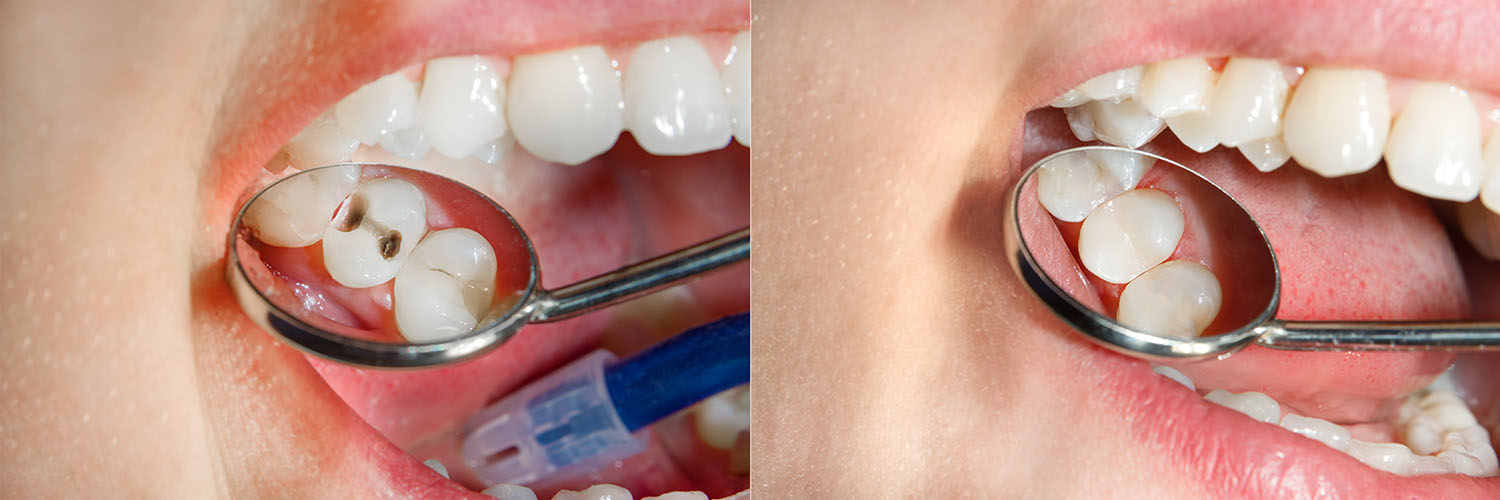
Cavities do not always cause pain early on, so many are found during a routine exam. Signs that you may need a filling include sensitivity to sweets, hot, or cold, a sharp twinge when biting, a visible hole or dark spot, or food catching in the same place.
If you notice any of these, it is a good idea to schedule an exam. Treating decay while it is small usually means a simpler, more conservative repair.
Most patients feel very little during a filling. We numb the area with local anesthesia before we begin, so you may notice some pressure or vibration but should stay comfortable throughout.
Afterward, the tooth may feel slightly sensitive for a few days as it settles. If you feel anxious about dental visits, let our team know so we can talk about ways to help you feel more at ease.
Most fillings are completed in a single visit. The exact time depends on the size and location of the cavity and how many teeth need treatment. Smaller fillings tend to be quicker, while larger or multiple fillings may take longer.
Your dentist can give you a better idea of timing after examining the tooth, so you can plan your day.
Composite is hardened with a curing light during your visit, so the filling itself is set before you leave. The main thing to watch is the numbness from the anesthesia. Waiting until feeling returns helps you avoid biting your tongue, lips, or cheeks.
For the first few days, you may want to go easy on very hot or cold foods if the tooth feels sensitive.
The cost of a filling depends on several factors, including the size of the cavity, how many surfaces of the tooth are involved, which tooth needs treatment, and whether more than one filling is needed. Your insurance coverage can also affect what you pay.
After your exam, our team can review your treatment plan and talk through costs with you before any work begins.
In many cases, yes. Some patients choose to replace older metal fillings with composite when the old filling is worn, cracked, or leaking, or when they prefer a more natural look.
Your dentist will examine the existing fillings and the surrounding tooth to see whether replacement makes sense for you. If a filling is still sound, your dentist can explain the pros and cons of replacing it.
Tooth decay does not heal on its own. Over time, a cavity can grow deeper and reach the inner part of the tooth, which may lead to pain, infection, or the need for more involved treatment such as a root canal or crown.
Treating a cavity early with a filling usually allows us to preserve more of your natural tooth and keep the repair simple.
You can request an appointment online or contact our Chicago office on North Michigan Avenue. We are open Tuesday and Wednesday from 8:00 am to 4:00 pm and Thursday from 8:00 am to 6:00 pm, with Monday and Saturday visits available by appointment only.
If you think you have a cavity or a filling feels uncomfortable, reach out and our team will help find a time that works for you.

Family, cosmetic, and implant dentistry in Chicago's Loop, across from Millennium Park.
